Three of Swords Tarot Card Meaning
Three of Swords represents heartbreak, painful truth, betrayal or disappointment. Part of the Minor Arcana's Swords suit, it signals heartbreak when upright and warns of healing after heartbreak, stuffed-down emotions, lingering resentment in reverse. In yes-or-no readings, Three of Swords leans no.
The Three of Swords is the sharp, honest moment when a heart breaks and there’s no way to pretend it doesn’t hurt. In the suit of Swords, the realm of air and mind, this card speaks to the stories, words, and realizations that pierce us: the text that ends it, the confession you didn’t want to hear, the decision that slices through your hopes.
This card doesn’t glamorize pain, but it does frame it as a turning point. The Three of Swords invites you to stop gaslighting yourself about how bad it feels and name the wound clearly. Once the storm breaks and the tears fall, there’s finally space for clarity, boundaries, and eventually, a different kind of love or loyalty—starting with your own.
Key Themes
Upright
Reversed
Artwork & Symbolism
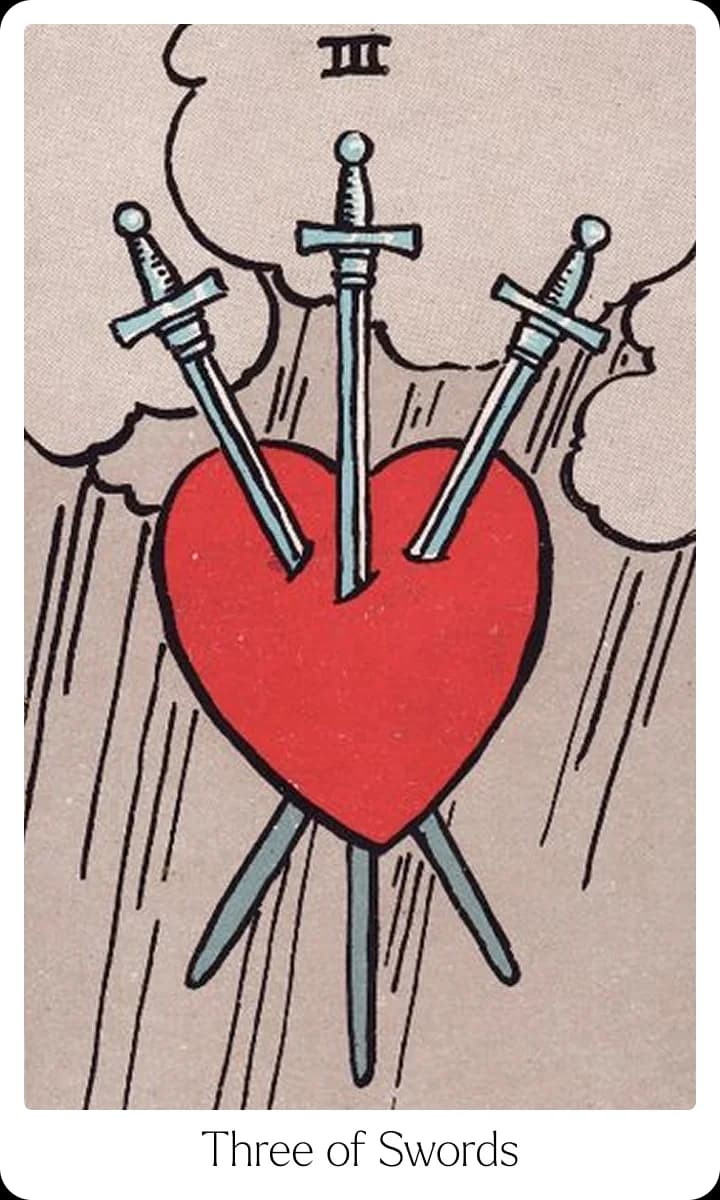
Your eye goes straight to the oversized red heart—there’s nowhere else to look, which is exactly how heartbreak feels when it’s fresh and undeniable. Three pale blue-grey swords pin it in place: one straight down the center for the blunt, unavoidable truth, and two angled in from left and right like words, choices, or loyalties coming at you from different sides. The blades are clean and simple, emphasizing clarity over drama—this pain has a reason, a sentence, a decision behind it.
Above, heavy clouds and sharp black rain lines turn the background into a storm that won’t let you stay dry, pushing you toward emotional release instead of pretending you’re fine. Even the stark “III” up top lands like a count—this is a turning point where naming the wound is the first step toward healing.
Three of Swords Upright
Upright, the Three of Swords points to acute emotional pain: heartbreak, rejection, harsh words, or a truth that lands like a knife. Something you cared about deeply has been punctured, and your mind keeps replaying the moment it all went sideways.
This card invites you to feel it instead of numbing out or intellectualizing it away. Let the sorrow move through you, and be honest about the impact. At the same time, Swords energy asks you to notice the story you’re building around this hurt. Which parts are fact, and which parts are self-blame or catastrophizing that only cut deeper?
Three of Swords Reversed
Reversed, the Three of Swords often shows healing in progress: the blades are still there, but you’re slowly pulling them out. The worst may be over, yet echoes of the old hurt linger in your body and thoughts. You might be surprised by how quickly a song, a place, or a phrase can reopen the ache.
This position can also highlight pain you’ve tried to bury. Avoiding the conversation, shrugging it off, or saying “it’s fine” when it isn’t keeps the swords lodged in place. The reversed Three of Swords invites you to gently revisit what happened, not to re-injure yourself, but to clear out resentment, guilt, and shame so the scar can close cleanly.
Three of Swords in Love
In love and relationships, the Three of Swords is the gut-punch: breakups, betrayals, third-party situations, or discovering a truth that changes how you see someone. It can also reflect the quieter heartbreaks—realizing you’re not loved the way you love, or that staying together means abandoning yourself.
This card invites you to be radically honest about relational pain. What boundary was crossed? What promise was broken? Whether you’re separating or trying to repair, the Three of Swords says: don’t minimize your hurt just to keep the peace. Real intimacy can only grow where truth, grief, and accountability are allowed in the room.
Three of Swords in Career
In career and work, the Three of Swords can point to painful feedback, a job loss, a failed pitch, or discovering that someone hasn’t been acting in good faith. Office politics, harsh criticism, or a project you poured yourself into being cut down may leave you feeling exposed and undervalued.
This card invites you to separate your worth from the wound. Yes, acknowledge the sting—especially if there was betrayal or unfairness. Then look for the clear information inside the pain: What does this reveal about the culture you’re in, the people you trust, or the direction you truly want to go? Let the disappointment sharpen your discernment, not your self-loathing.
Three of Swords in Personal Growth
For personal growth, the Three of Swords is about learning from the moments that cracked you open. It asks: how do you treat yourself when your heart is in pieces? Do you pile on blame, rush to “get over it,” or let yourself be tender and human?
This card encourages you to build a new inner script around suffering. Instead of “I’m broken,” try “I’m in pain, and I’m still worthy.” Instead of “I should’ve known better,” try “Now I know more.” The Three of Swords can mark the start of a deeper self-respect born from surviving what once felt unsurvivable.
Three of Swords as Daily Guidance
If the Three of Swords shows up today, something may poke at an old or fresh wound. Be gentle with yourself, name what hurts, and give your heart some room—through journaling, a good cry, or an honest conversation—so the pain doesn’t harden into bitterness.
Three of Swords — Yes or No?
Is Three of Swords a yes or no card? Three of Swords is generally a no card. The Three of Swords leans toward a no, as it highlights disappointment, heartbreak, or a painful truth that doesn’t align with the outcome you’re hoping for right now.
Three of Swords as Feelings
As feelings, the Three of Swords is raw, sore, and tender—like someone whose chest still feels split open. They may be grieving, shocked, or reeling from harsh words or a breakup, replaying conversations and wondering where it all went wrong. There’s a sense of betrayal or deep letdown, mixed with confusion about whether to protect themselves completely or reach for closure. Even if they’re trying to stay composed, underneath there’s a heavy ache and a fear of being hurt again.
Three of Swords as a Person
As a person, the Three of Swords can describe someone who’s been through serious emotional storms and carries their scars close to the surface. They might be guarded, self-deprecating, or quick to assume the worst because they’ve learned not to trust easily. They can be piercingly honest—sometimes to the point of sharpness—because they’ve seen what silence and pretending can cost. Underneath the defenses is a sensitive, loyal heart that longs for safe, straightforward connection but isn’t sure where it exists yet.
How Different Decks Interpret Three of Swords
Each tarot deck brings its own artistic voice and interpretive lens. Here's how 3 artists from Flickerdeck approach this card.
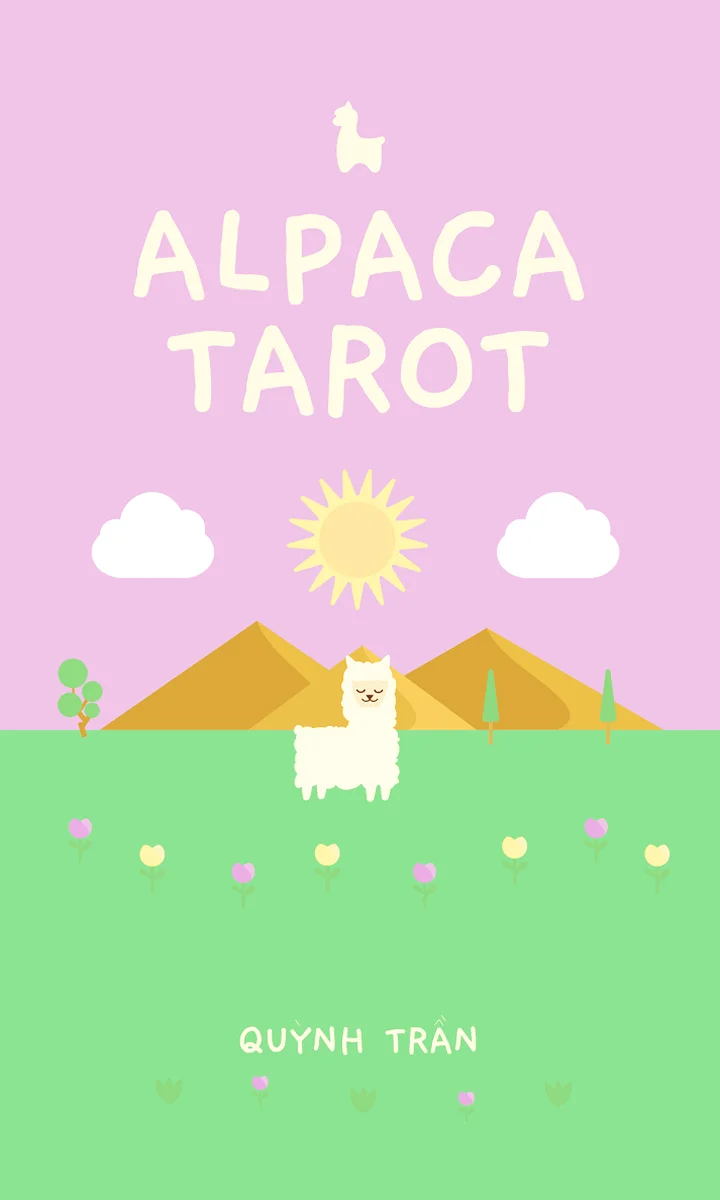
Alpaca Tarot
by Quynh Tran
Where the classic reading centers the raw emotional turning-point, this deck leans into practical clarity—seeing heartbreak as a teachable moment you can thoughtfully assess and act upon.
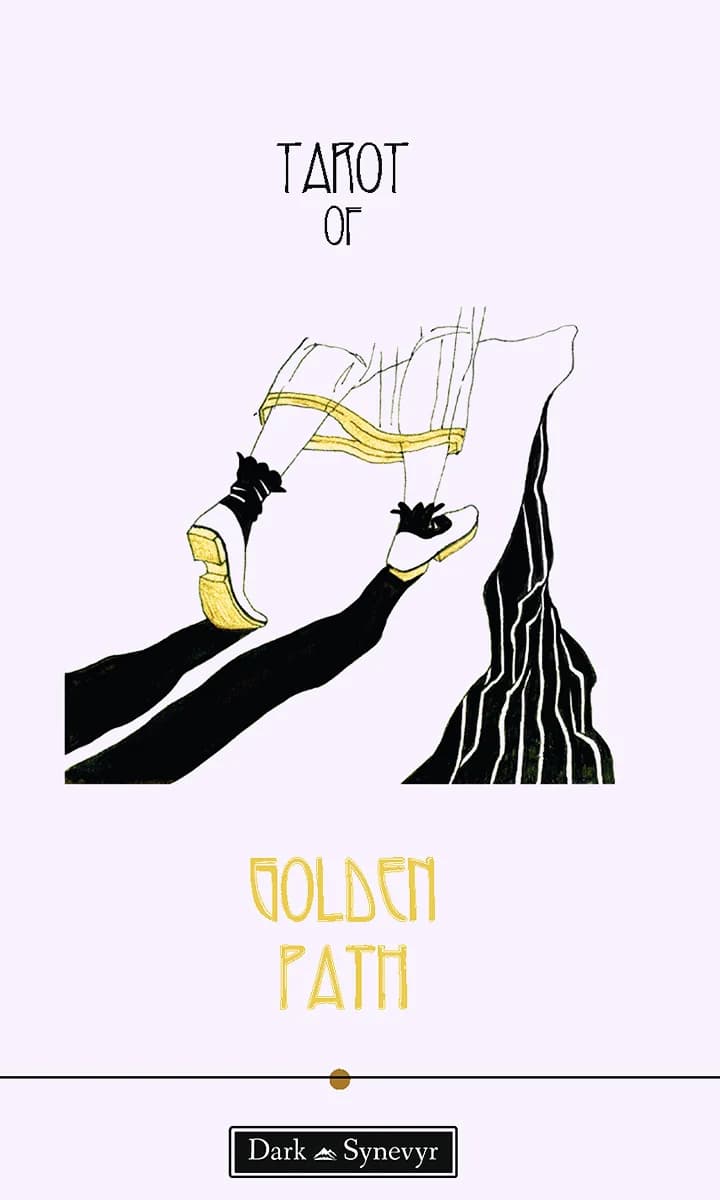
Golden Path Tarot
by Deck Art by: Ivzhenko Kateryna and Daria Mos Curator: Iurii Nazarenco
Where the universal meaning focuses on naming the wound and gaining clarity, the Golden Path frames heartbreak as an elegiac, Jazz Age ritual—emphasizing soulful mourning, aesthetic alchemy, and the feminine power of receptive transformation rather than only cognitive insight.
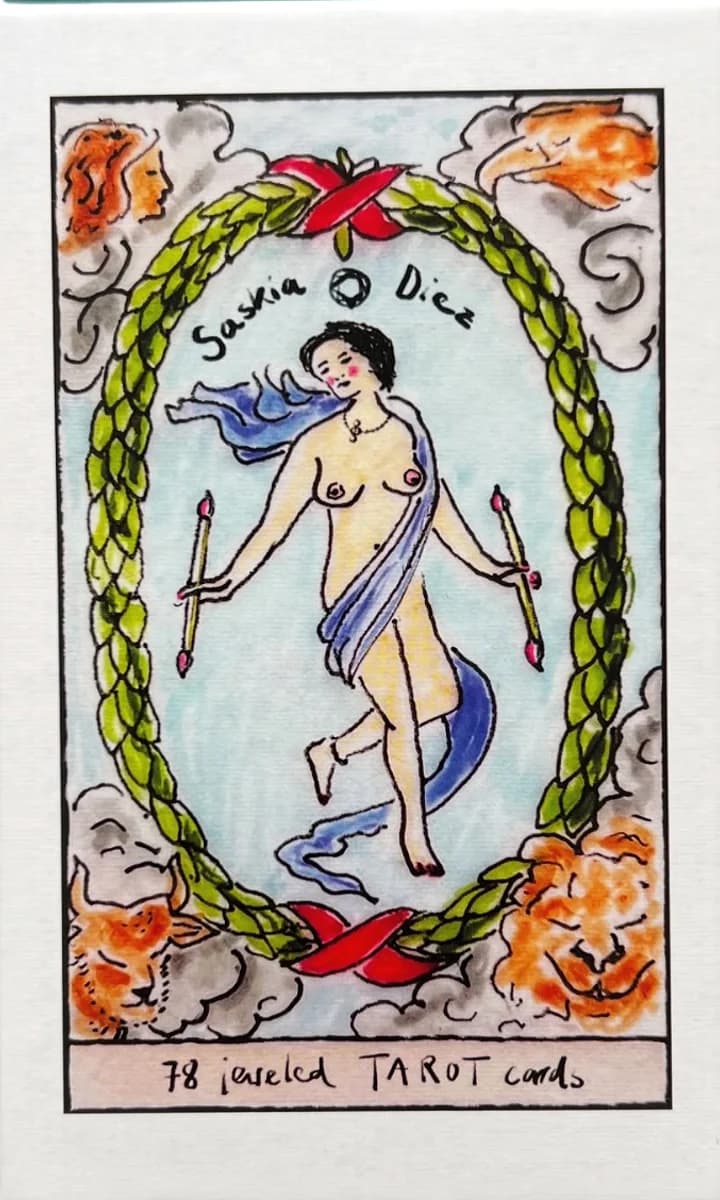
Jeweled Tarot Cards
by SASKIA DIEZ
Instead of focusing only on the intellectual clarity of pain, this deck reads the card as an aesthetic recalibration—heartbreak as the elegant stripping away of counterfeit adornments and a recalibration of how you present and value yourself.
Three of Swords in a Reading
In a spread, the Three of Swords highlights the part of the story where something hurts more than you’ve wanted to admit. In a past position, it may point to an earlier heartbreak still coloring how you see things now. In the present, it can mark a live rupture: a conflict, loss, or truth that calls for honest grieving. In a future or outcome spot, it suggests that a necessary but painful realization or decision lies along this path.
Paired with gentler cards like the Star or Temperance, the Three of Swords emphasizes healing and integration after the storm. With other Swords, it can warn of harsh communication, overthinking, or using logic as a weapon. Whatever the spread, this card invites you to treat your pain as information, not identity—and to let clarity and compassion sit at the same table.
Frequently Asked Questions
Is Three of Swords a yes or no card?
What does Three of Swords mean in love?
What does Three of Swords mean for career?
What does Three of Swords represent as feelings?
What does Three of Swords reversed mean?
Experience Three of Swords through Alpaca Tarot Deck's unique voice in Flickerdeck
Discover tarot through dozens of artistic lenses — do readings, explore decks, and find the interpretation that resonates with you.
Get Flickerdeck